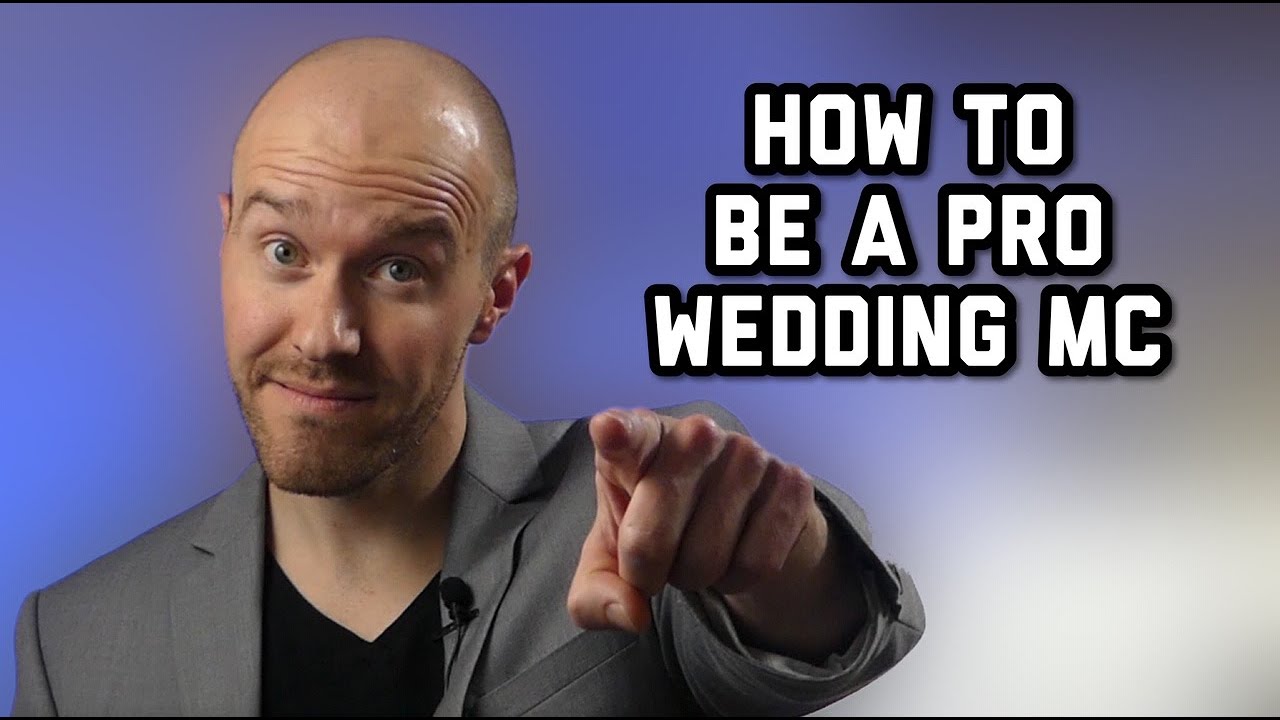
How to MC a Wedding: A Complete Guide to Emceeing Like a Pro
So you've been asked to emcee a friend's or family member's wedding — congratulations! Being chosen as the MC is a genuine honor. It means the couple thinks highly of you and trusts you to help make their reception unforgettable. But with that privilege comes responsibility, and you're probably wondering where to start. Having emceed several weddings myself, I've learned a great deal through each experience. Here are the tips and strategies I rely on to make sure a wedding reception runs as smoothly — and as joyfully — as possible.
Step One: Meet With the Couple Beforehand
Your first order of business is to schedule a sit-down meeting with both the bride and the groom. Aim for about one to two months before the wedding — not so far out that details haven't been decided yet, and not so close that you're scrambling. This meeting is your chance to understand their vision for the reception, the general structure of the evening, and how you can help bring it all to life.
Here are the key things you want to determine during this meeting:
- Special recognition: Ask who they'd like you to acknowledge during the reception. This often includes parents, grandparents, siblings, or someone who has traveled a great distance to be there. Knowing these names ahead of time allows you to give those people the recognition they deserve and helps every guest feel connected.
- The clinking glasses situation: At nearly every wedding, guests start clinking their glasses to get the couple to kiss. That's charming — the first time. As the drinks flow, it can become relentless and distracting. Find out if the couple is open to a fun alternative, like having someone come up and sing a line from a love song, or having another couple duplicate the bride and groom's kiss before they'll oblige.
- Wedding party bios: Give the couple a little homework. Ask them to write one or two sentences about each member of their wedding party — something nice, and ideally something humorous. This gives you material for the introductions and helps get laughter rolling early in the evening.
- The general structure and activities: Understand the flow of the night. Is there time for games or interactive moments between dinner and speeches? Many couples will actually turn this question around and ask for your advice, so come prepared with a few ideas. Ultimately it's their day, but having suggestions ready can put their minds at ease.
- The speech lineup: Find out exactly who will be giving speeches. This lets you connect with those speakers on the day of the wedding and helps you build out the order and timing — one of the most important elements of any reception.
- Off-limits topics: This one is crucial. Humor is a huge part of a great wedding reception, but you need to know where the line is. Some couples will tell you to go wild; others will have concerns about certain family members or sensitive subjects. Have an open, honest conversation. Surprises are fun — but never in a way that embarrasses the couple on their special day.
After this initial meeting, you can tie up any loose ends over email. No need for a second formal sit-down unless something major changes.
Step Two: Prepare — Don't Wing It
Here's a truth about great MCs: they make it look effortless, but they are thoroughly prepared. A wedding reception is not the time to improvise your way through the entire evening. Once you have a clear picture of the night's structure, it's time to plan.
Take notes — but not too many. I've seen people use iPads or phones, and while that can work, technology has a way of failing at the worst possible moments. Batteries die, apps crash, chargers get forgotten. My recommendation? Go with good old-fashioned cue cards. They're small, unobtrusive, and completely reliable. You can reference them throughout the night without anyone even noticing.
As for what to write on those cards, resist the urge to script everything word for word. For certain things — like the wedding party introductions — having exact sentences is helpful. But for everything else, jot down just a word or two as a prompt. For example, write "cake cutting" rather than a full paragraph about the cake. You'll know what to say when the moment arrives because you'll have practiced. If you write out every word, you'll end up standing at the mic with your head buried in paper, and that does not make for an engaging MC.
Practice, practice, practice. Run through the evening's flow at least a few times before the big day. Record yourself if you can. Practice key sections in front of a trusted friend or family member and ask for honest feedback. The more you rehearse, the more confident you'll feel — and when you step up to that microphone, it will feel natural rather than nerve-wracking.
Dress the part. As the MC, you're a highly visible figure at the reception. Make sure your attire reflects the importance of your role. A suit and tie, bow tie, or suspenders for men; appropriate formal attire for women. You don't want to be the person who shows up in jeans. You're a big part of this day — look like it.
Step Three: The Day Of — Arrive Early and Connect
The big day has arrived. You've done your homework and you're prepared. Now it's time to execute. Here's what to focus on when you get to the venue:
Arrive well in advance. Give yourself plenty of time to set up any slides, props, or materials you might need. You want everything in place before guests start filtering in.
Connect with the key players. There are a few people you absolutely need to have a conversation with before the evening begins:
- The DJ: There's often crossover between the DJ's responsibilities and yours. A quick conversation ensures you're on the same page about transitions, music cues, and who handles what.
- The day-of coordinator: If the couple has one, this person is your ally. Align on expectations so you're working together rather than stepping on each other's toes.
- The catering team: Timing is everything when it comes to dinner. Coordinate with whoever is in charge of the meal so your schedule aligns with theirs. When food is ready, you need to be ready to get people moving — because after a long day of celebrating, guests will be hungry.
If guests arrive early, go introduce yourself. Be warm, be friendly, and keep your energy high. Smile. It sounds simple, but when you have a hundred things on your mind, it's easy to forget the basics. That positive energy will translate directly to the microphone.
Running the Reception: Key Moments to Nail
The Grand Entrance
The introduction of the wedding party is often the first big moment of the reception, and it sets the tone for everything that follows. Coordinate with the DJ on music and timing. When you announce each name, bring the energy. Be loud, be enthusiastic, be genuinely excited. "Ladies and gentlemen, please welcome John and Sarah!" — that kind of declaration should fill the room. Your energy in this moment tells every guest that they're in for a great night.
The First Toast (and the Clinking Glass Strategy)
Once the head table is seated, someone will inevitably start clinking their glass. If you've discussed this with the couple, you'll know exactly how to handle it. I like to let it happen once — the couple kisses, everyone cheers — and then introduce whatever fun alternative the couple has chosen. It keeps the energy playful and prevents the clinking from becoming an all-night distraction.
Introducing Yourself
Take a moment to tell the room who you are and what you mean to the couple. Express how honored you are to be there and how excited you are for the evening ahead. This is also the perfect time to tell a short, funny story — two to three minutes, no more. One of the first things every guest wonders is: "Is this MC going to be any good?" If you can get the room laughing early, it relaxes everyone — including you. That laughter is a genuine confidence booster and sets a joyful tone for the rest of the night.
Recognizing the Wedding Party
This is where your homework pays off. Using the descriptions the bride and groom provided, introduce each member of the wedding party with something personal and something fun. Practice enough that you're not just reading off a card, but keep your notes handy in case you need them. A natural, warm delivery makes these introductions feel special rather than rehearsed.
Managing the Speeches
Speeches are typically one of the final portions of the evening that you'll be directly responsible for, and they're often the most memorable. Here's how to handle them well:
- Talk to each speaker beforehand. Let the best man, maid of honor, parents, and anyone else know the order they'll be speaking in. This allows them to mentally prepare and eliminates last-minute confusion.
- Set them up for success. When you announce a speaker, start clapping as they walk up. There's something about applause that builds confidence right before someone takes the mic. It warms up the room and gives the speaker a boost of energy.
- Celebrate them afterward. When the speech is done, take the mic back with enthusiasm: "Let's give it up for Sally — what a great speech!" Start that applause again. Bookending each speech with genuine recognition makes every speaker feel appreciated.
Two Final Tips That Can Make or Break Your Night
Don't get drunk. This might seem obvious, but it needs to be said. You are the quarterback of this reception, and a lot is riding on your ability to stay sharp. Having a drink or two is perfectly fine, but save the celebration for after your MC duties are finished. Guests will notice if you're not taking the role seriously, and more importantly, the couple is counting on you.
Expect the unexpected. This has been true at every wedding I've ever emceed. Something will come up that you didn't plan for — it's simply the nature of live events. Dinner arrives early, a speaker isn't ready, the timeline shifts. Your ability to roll with the punches is what separates a good MC from a great one. Stay calm, stay confident, and adapt. As far as the bride, groom, and guests are concerned, the evening should feel flawless. Your composure behind the scenes is what makes that possible.
You've Got This
Emceeing a wedding is one of the most rewarding things you can do for someone you care about. By meeting with the couple early, preparing thoroughly, arriving on the day with energy and confidence, and staying flexible when the unexpected happens, you'll help create a reception that everyone remembers fondly. The fact that you're reading this article and putting in the effort to prepare says everything about the kind of MC you're going to be. Trust your preparation, bring your best energy, and enjoy the night — you're going to crush it.