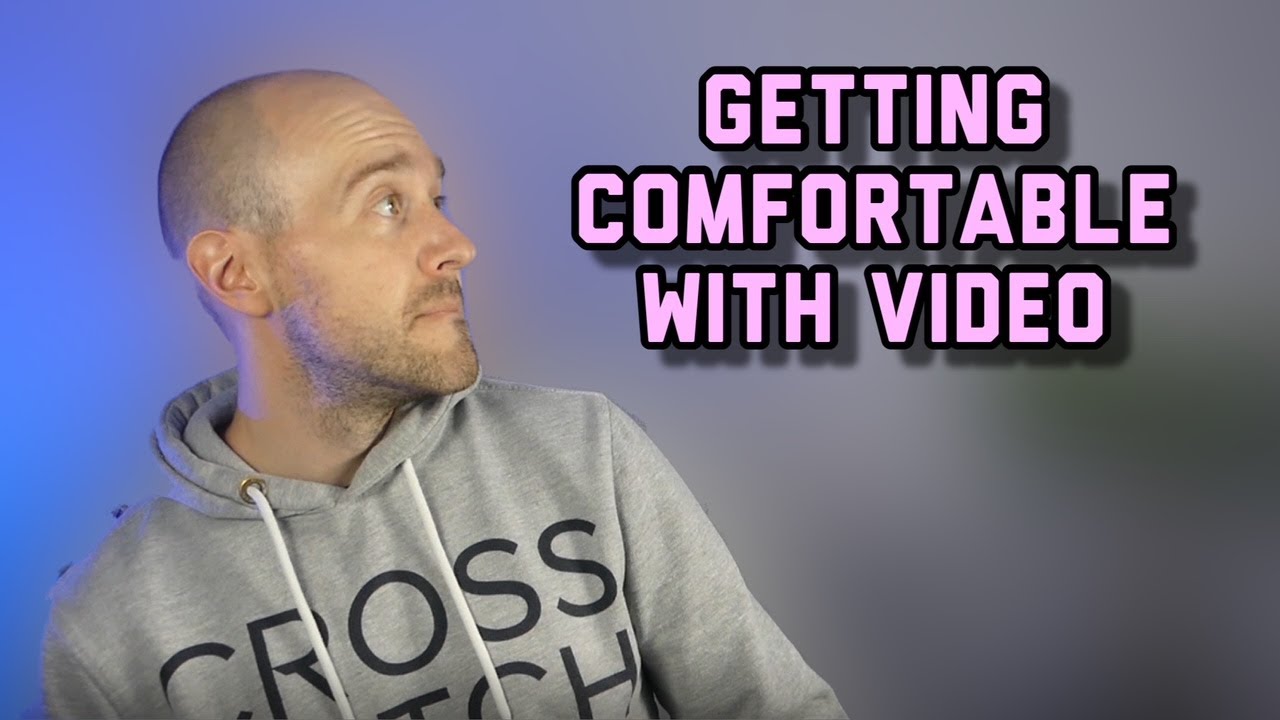
5 Practical Tips to Get Comfortable on Camera and Start Creating Video Content
You know you should be recording more video content. Maybe you've been telling yourself that for weeks, months, or even years. But something keeps holding you back. Perhaps you don't like the way you look or sound on playback. Perhaps you convince yourself you don't have time. Whatever the reason, the good news is this: getting comfortable on camera is a skill anyone can develop — and the rewards for doing so are enormous. Here are five actionable tips, drawn from years of public speaking and content creation experience, to help you finally hit that record button with confidence.
Why Video Deserves Your Attention
There's a well-known saying: the medium is the message. It's not just what you say that matters — it's how you say it. Video communication is inherently more powerful than text or audio alone because it incorporates the visual dimension: your facial expressions, your gestures, your body language. These elements carry an enormous amount of meaning.
Consider this simple example. The words "I'm really enjoying this — this is awesome" can convey genuine excitement or dripping sarcasm depending entirely on how they're delivered. In text, that distinction is lost. In video, it's unmistakable. That's the power of the format.
We also know that video resonates deeply with audiences, whether on social media, in email marketing, or on any other platform. If you're building a business or growing a following, video should be a core part of your communication strategy. And despite decades of people talking about the importance of video, the majority still aren't producing it consistently. That means there's still a genuine opportunity for those willing to show up on camera.
If you think you're too late to the game, you're not. The demand for video content is only going to increase. Now is still a great time to start.
First, Let Go of the Self-Criticism
Before diving into specific tips, let's address something nearly everyone experiences: watching back your own footage and cringing. Maybe you think your voice sounds strange, or your mannerisms look awkward, or you simply don't like the way you come across on screen.
Here's the truth: that person on screen is you. It's the same you that walks into a room, meets people face to face, and navigates social situations every day. People in your life are already used to seeing and hearing you exactly as you are. Video is no different — it's simply a recorded version of the real you.
Everyone feels uncomfortable when they start. With time and practice, that discomfort fades. Before you know it, being on camera will feel as natural as having a conversation.
Tip 1: Smile More Than You Think You Need To
This might sound simple, but it's one of the most impactful changes you can make. Smile — and then smile even more. On camera, energy and positivity need to be slightly amplified for viewers to feel them. What feels like overdoing it to you will come across as warm and engaging on screen.
A common mistake is maintaining a flat, serious expression throughout a video. It creates an awkward viewing experience and makes it look like you'd rather be anywhere else. Even when covering a neutral or educational topic, weaving in genuine smiles makes your content more watchable and your audience more receptive.
Of course, use common sense. If you're discussing a serious or sensitive subject, adjust your tone accordingly. But for the vast majority of videos, a generous smile will serve you well.
Tip 2: Plan a Basic Structure Before You Hit Record
There's a common misconception that experienced creators simply turn on the camera and improvise flawlessly. In reality, even the most natural-looking videos are built on a foundation of preparation.
You don't need a word-for-word script or a teleprompter. Instead, jot down a few categories or key points you want to cover. Read through your notes beforehand so the ideas are fresh in your mind. Then, when you hit record, you'll have a mental roadmap to follow.
Here's another liberating truth: you can shoot in chunks. If you stumble over a point, simply pause, reset, and try again. In the editing process, those pieces stitch together seamlessly, creating a smooth, natural flow for the viewer.
- Write down three to five key topics or bullet points
- Review them before recording so they're fresh in your mind
- Don't script every word — let your natural voice come through
- Give yourself a brief pause between sections to make editing easier
Tip 3: Use a Subtle Reference Note Near the Camera
If memorisation isn't your strong suit and it's causing frustration, try placing a small note with bullet-point reminders just past or beside your camera lens. This gives you something to glance at quickly without breaking the flow of your delivery.
The key word here is glance. Staring at a note and reading from it is immediately obvious to viewers — your eye contact drops, and the connection is lost. Instead, maintain eye contact with the camera as your default, look around naturally from time to time, and use your reference note only for quick reminders of what comes next.
Done well, this technique can even allow you to record an entire video in a single take, saving significant time in the editing process.
Tip 4: Stop Waiting and Just Start
This is perhaps the most important tip of all. Just do it. So many people talk about wanting to create video "someday." They plan to start next month, next quarter, or when they have better equipment. But if you never actually hit that record button, it becomes all too easy to keep finding excuses.
Look at any successful creator's earliest work. You'll notice a universal pattern: everyone starts at a basic level. MrBeast, who recently surpassed 100 million YouTube subscribers, began with a low-quality laptop camera and terrible audio equipment. The point is that he started. He got that first video out, learned from it, and improved over time.
Your first videos won't be your best — and that's perfectly fine. What matters is that they exist. You can refine your skills, upgrade your equipment, and polish your delivery as you go. But none of that evolution happens until you take the first step.
Tip 5: Batch Your Videos for Maximum Efficiency
Here's a bonus productivity tip that will make consistent content creation far more sustainable: record multiple videos in a single session. Once your camera is set up, your lighting is right, and you're in the zone, it makes little sense to record just one video and pack everything away.
Instead, plan two, three, four, or even five videos to record back to back. You might dedicate a single afternoon to creating content that will last you weeks or even months. This approach has several advantages:
- It minimises setup and teardown time
- It keeps you in a creative, camera-ready mindset
- It builds a content library that gives you breathing room
- It reduces the pressure of needing to record every week
Batching is one of the simplest ways to stay consistent, and consistency is what ultimately builds an audience.
Start Today, Improve Tomorrow
Getting comfortable on camera isn't about having the perfect setup, the perfect voice, or the perfect look. It's about showing up, being yourself, and committing to the process. Smile generously, plan a loose structure, keep reference notes handy, batch your recordings for efficiency, and above all — just start. Every confident, polished creator you admire was once a beginner who decided to press record for the very first time. Your turn starts now.